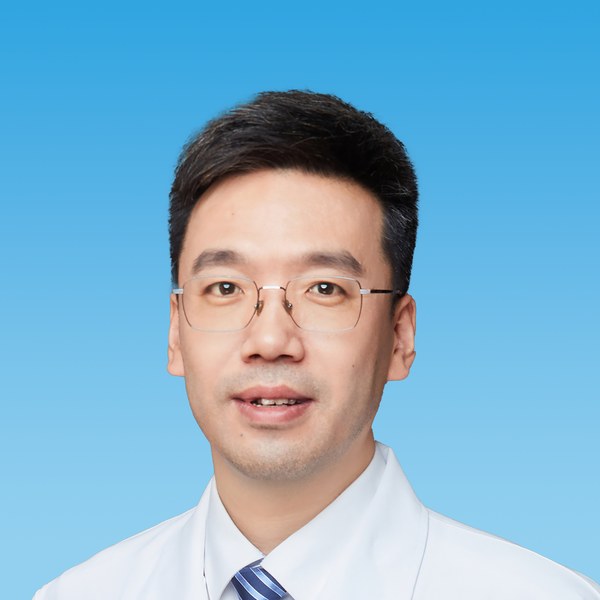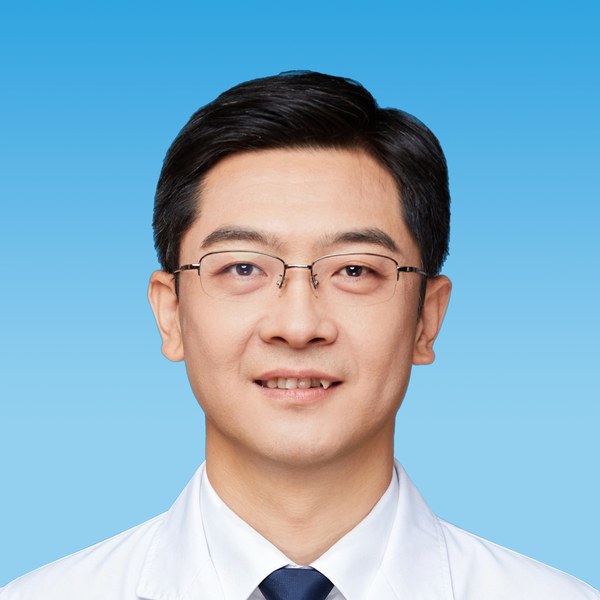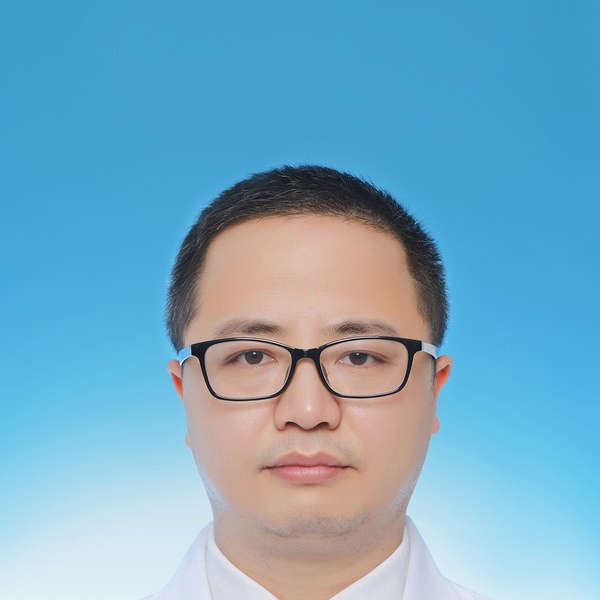
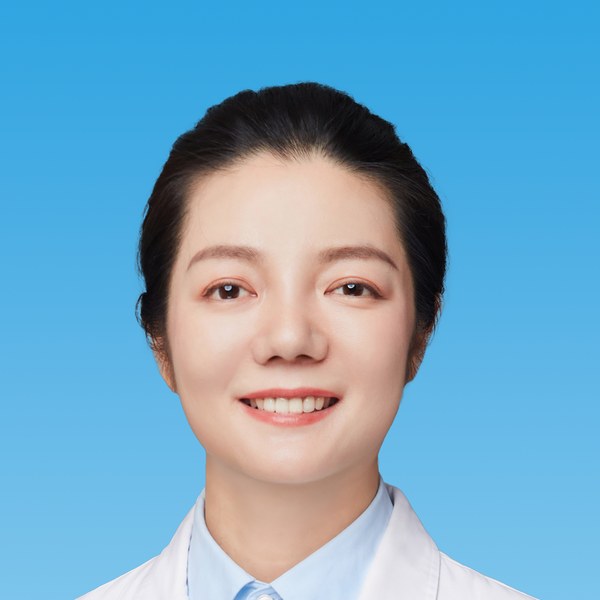
Ke He, MD (何锞)
Deputy Director & Head of Skin & Laser Aesthetics · Medical Reviewer of This Guide · Attending Physician, Licensed Aesthetic Attending
Skin & laser aesthetics · injectable and laser aftercare · early recognition of complications
Dr. Ke He is Deputy Director of the Plastic Surgery & Aesthetics Medical Center at Chongqing West District Hospital and head of its skin and laser aesthetic service. A core specialist formerly at the plastic and aesthetic surgery department of Xinqiao Hospital, affiliated with Army Medical University, she has worked on the clinical front line in skin laser and aesthetic dermatology for more than 20 years, serving over ten thousand patients.
She is the medical reviewer of this guide. Her service is where most of the centre's energy-based and injectable treatment is carried out, and therefore where most aftercare questions first appear: the reaction that is ordinary, the reaction that needs to be seen the same day, and the reaction that needs emergency care. She reviews every page here for one purpose — that a patient reading it at midnight, frightened and unsure, can tell what to do next.
Clinical focus
Academic roles & achievements
The first hour is the one that matters
A complication recognised in the first hour is usually a different problem from the same complication recognised on the third day. Telling patients what to look for, and telling them plainly that a telephone call is always welcome, is part of the treatment rather than an addition to it.